


Engagement Ring Design Process
Designing your engagement ring, step by step
There's no single right way to design an engagement ring. Some couples come in together with a clear idea. Some come in solo with a sketch on the back of a coffee receipt. Some come in with a sentimental piece and a hope of turning it into something new. Either way, the process from first conversation to collection day follows the same eight steps.
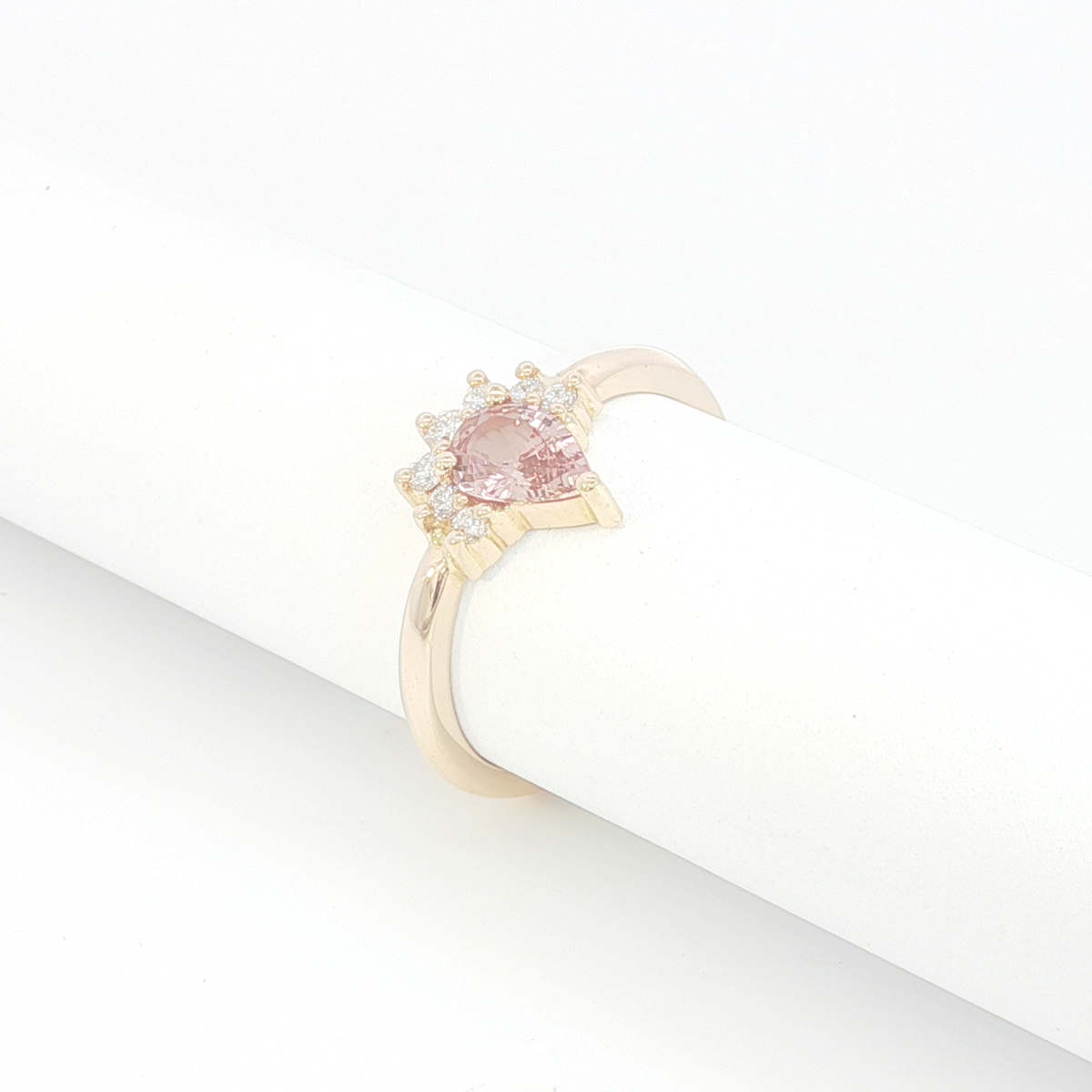
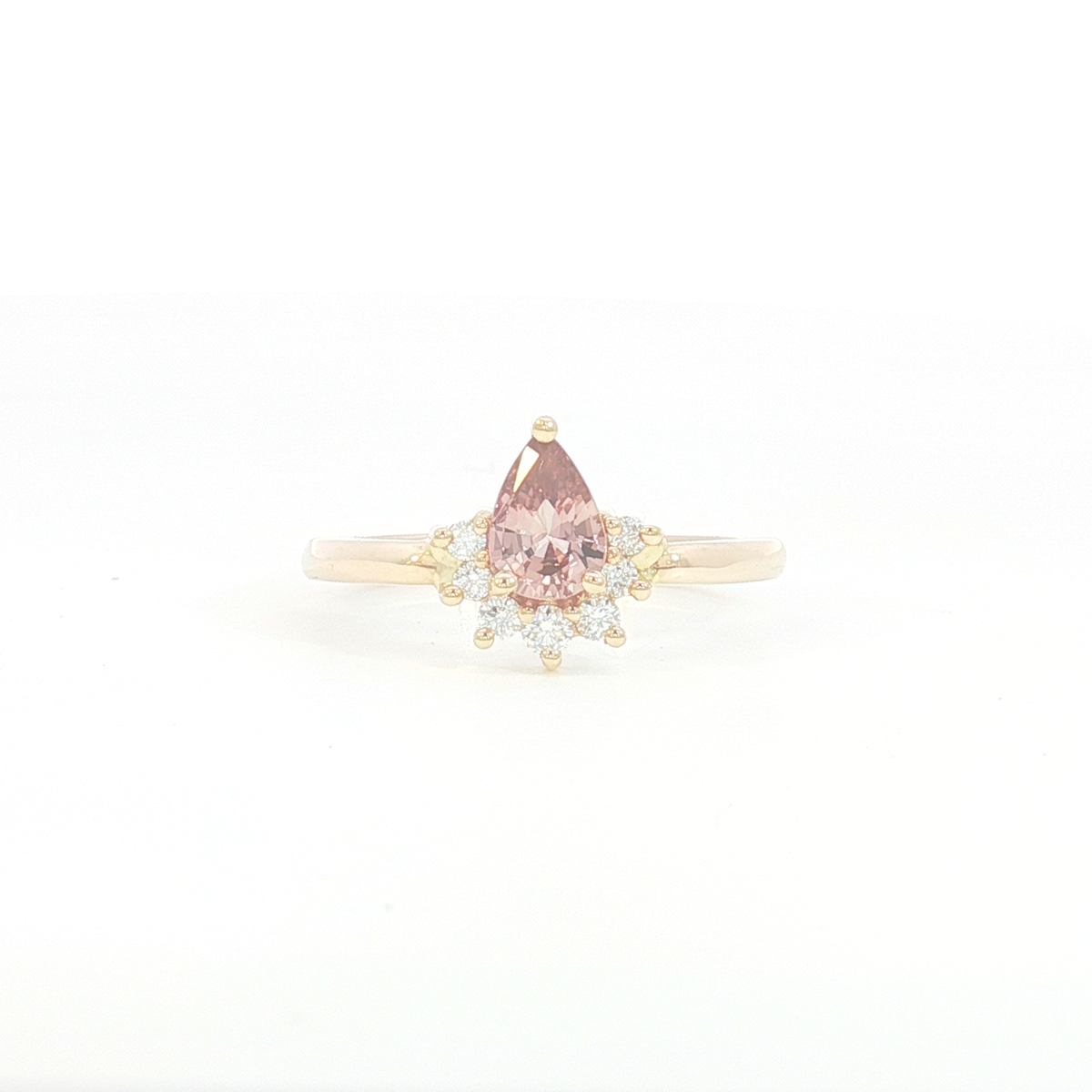
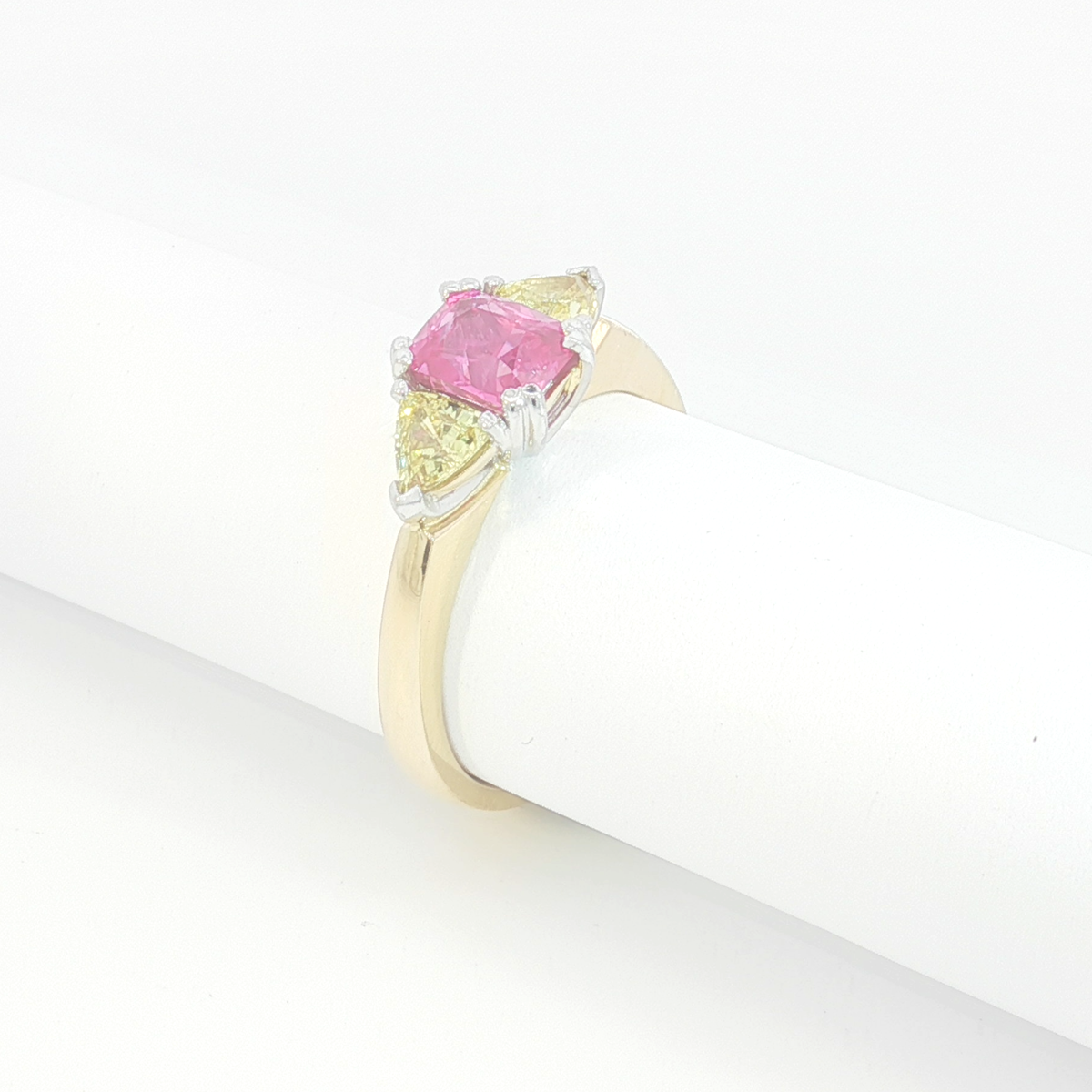
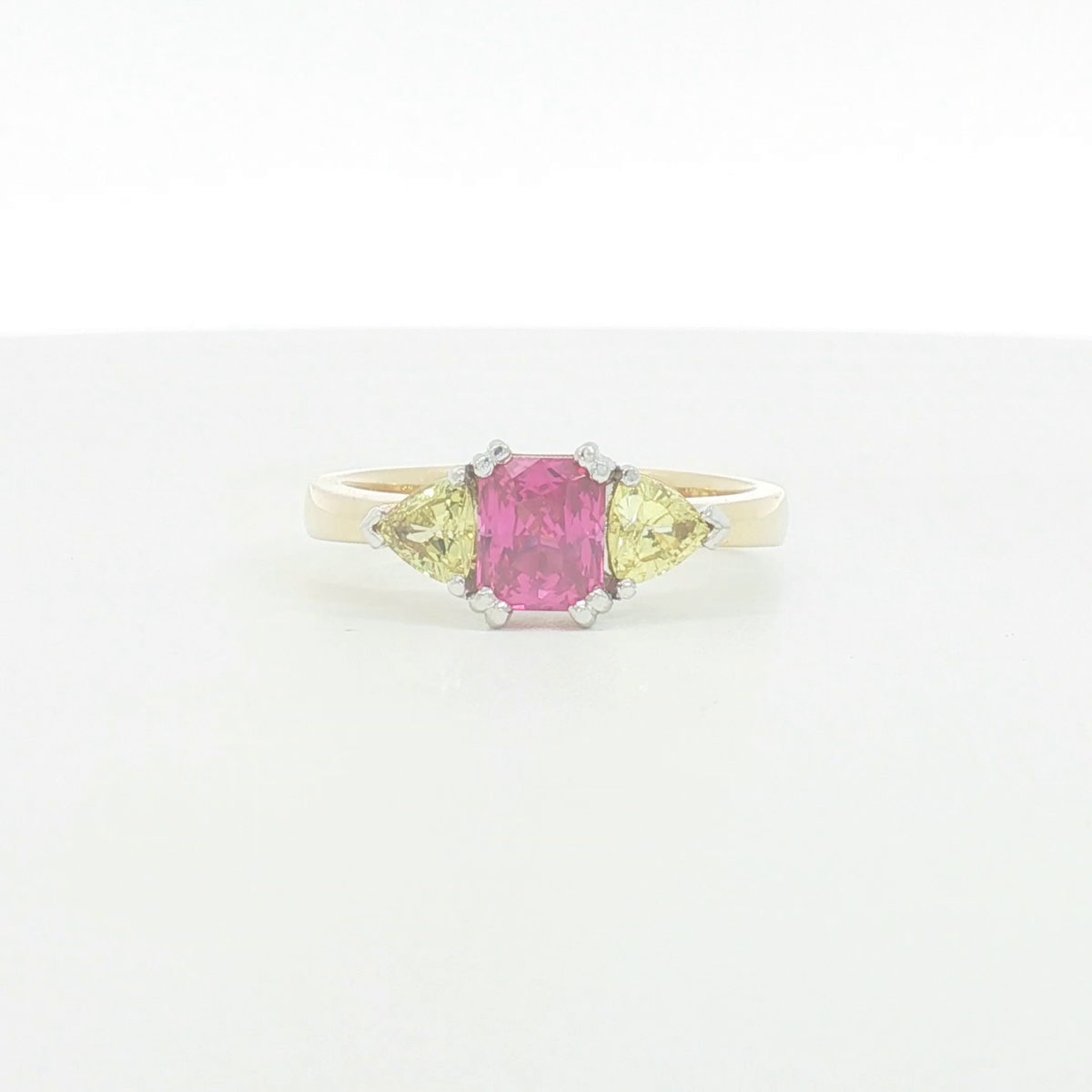
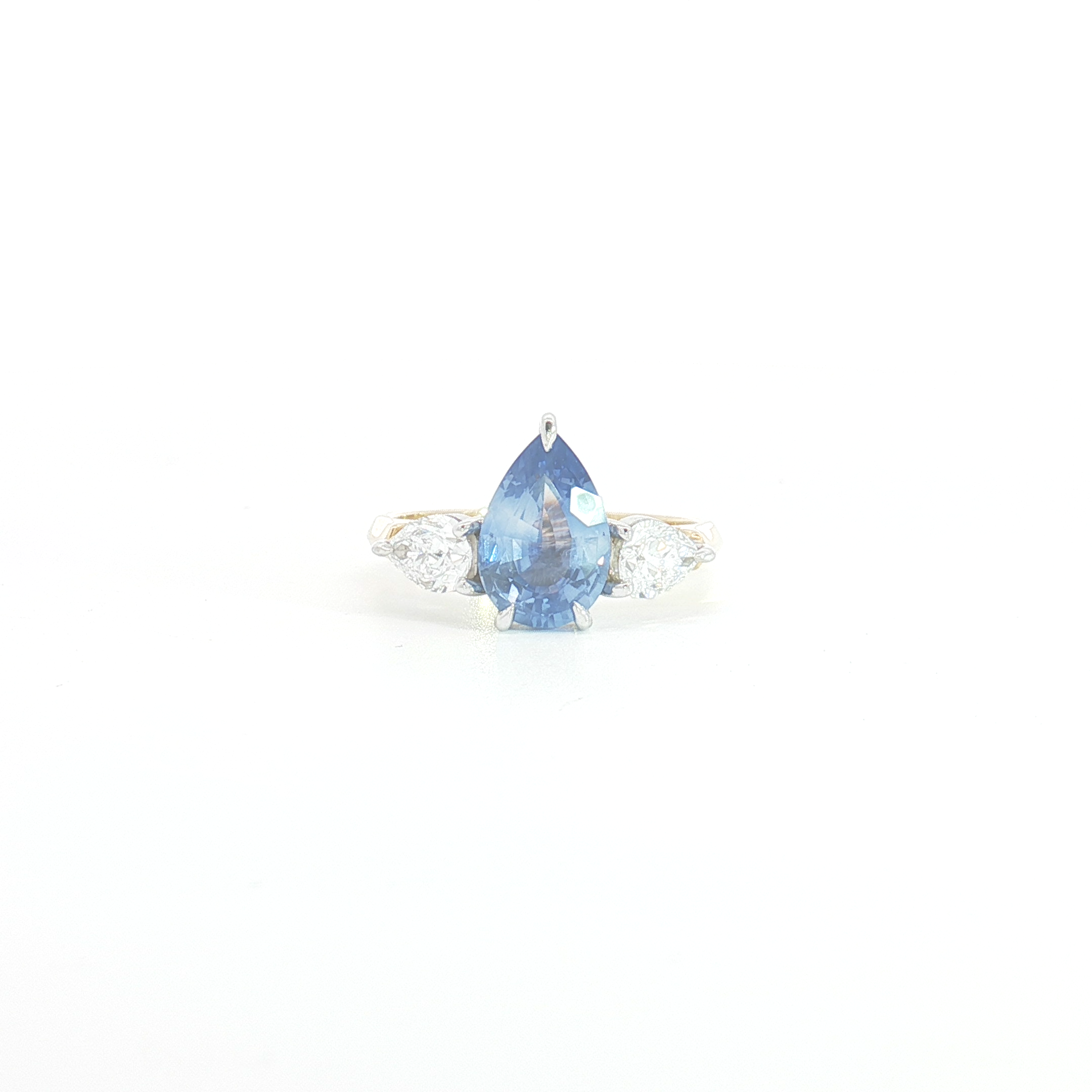
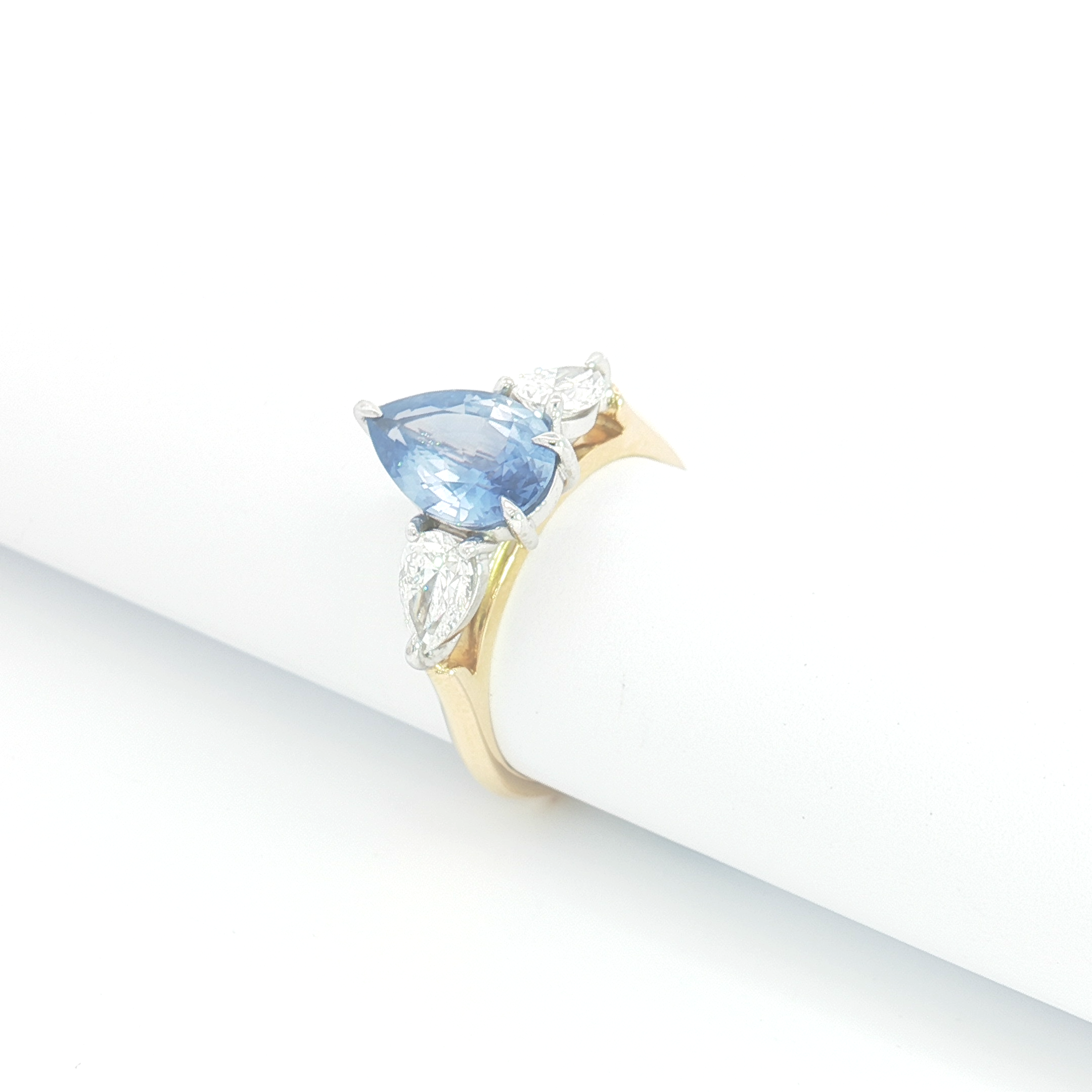
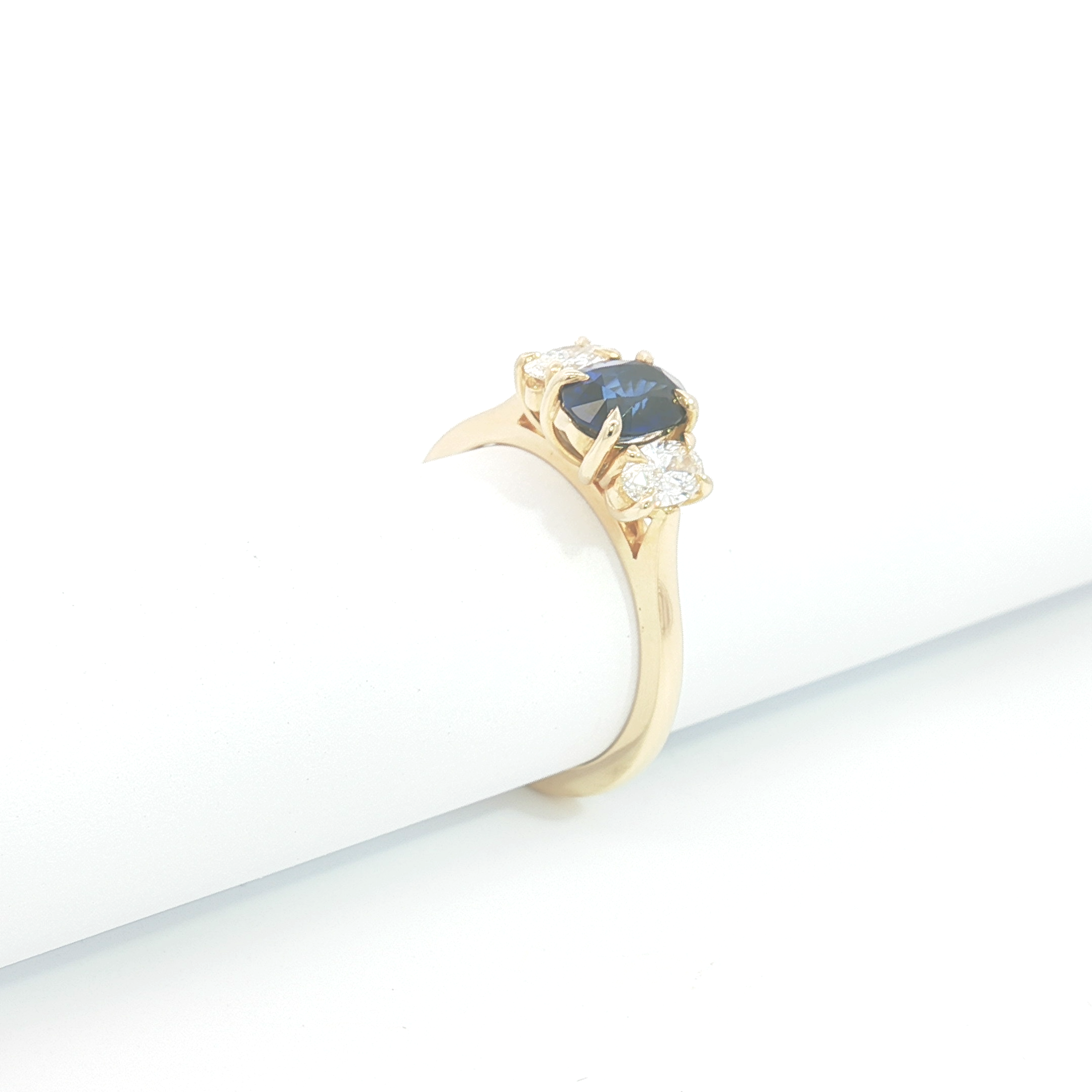

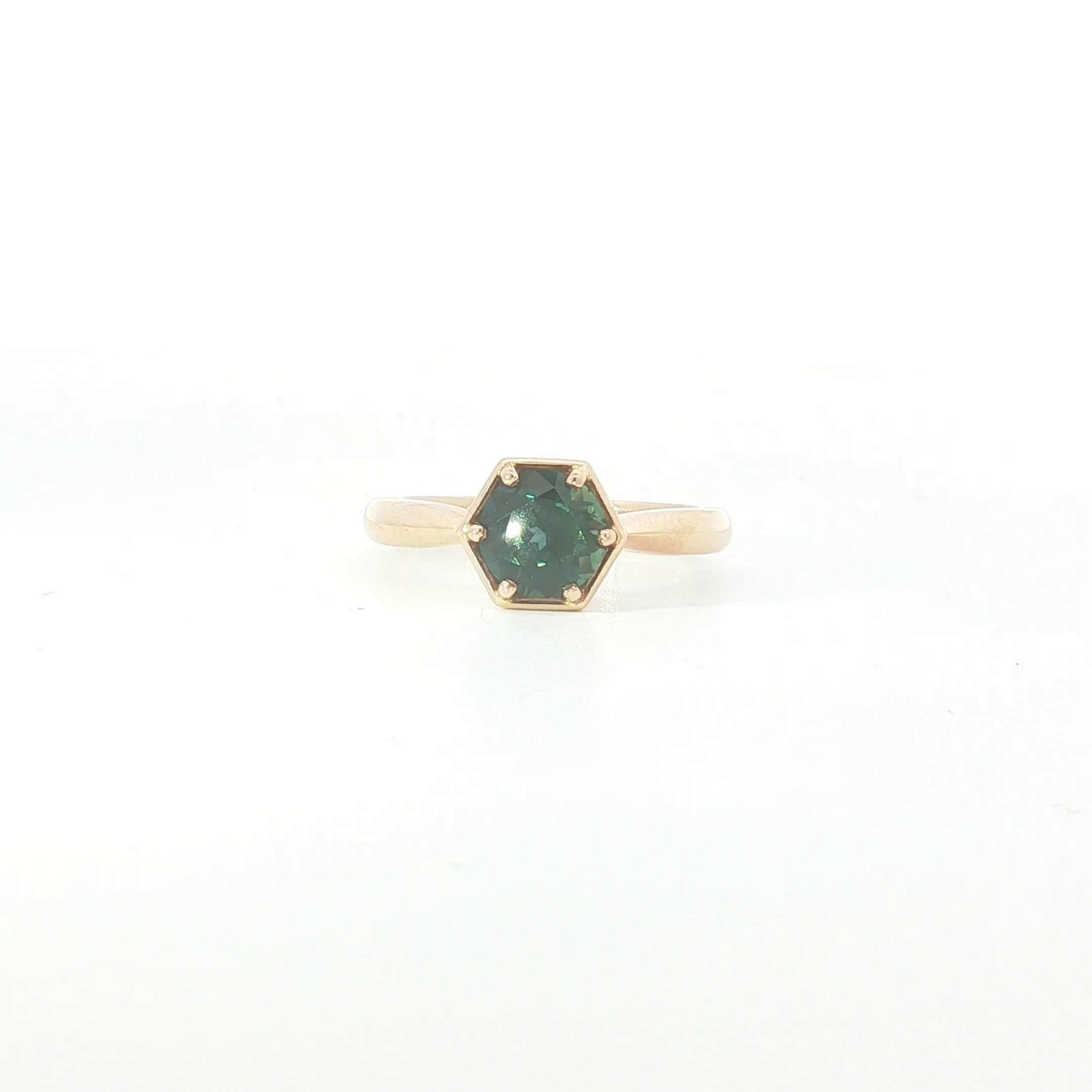
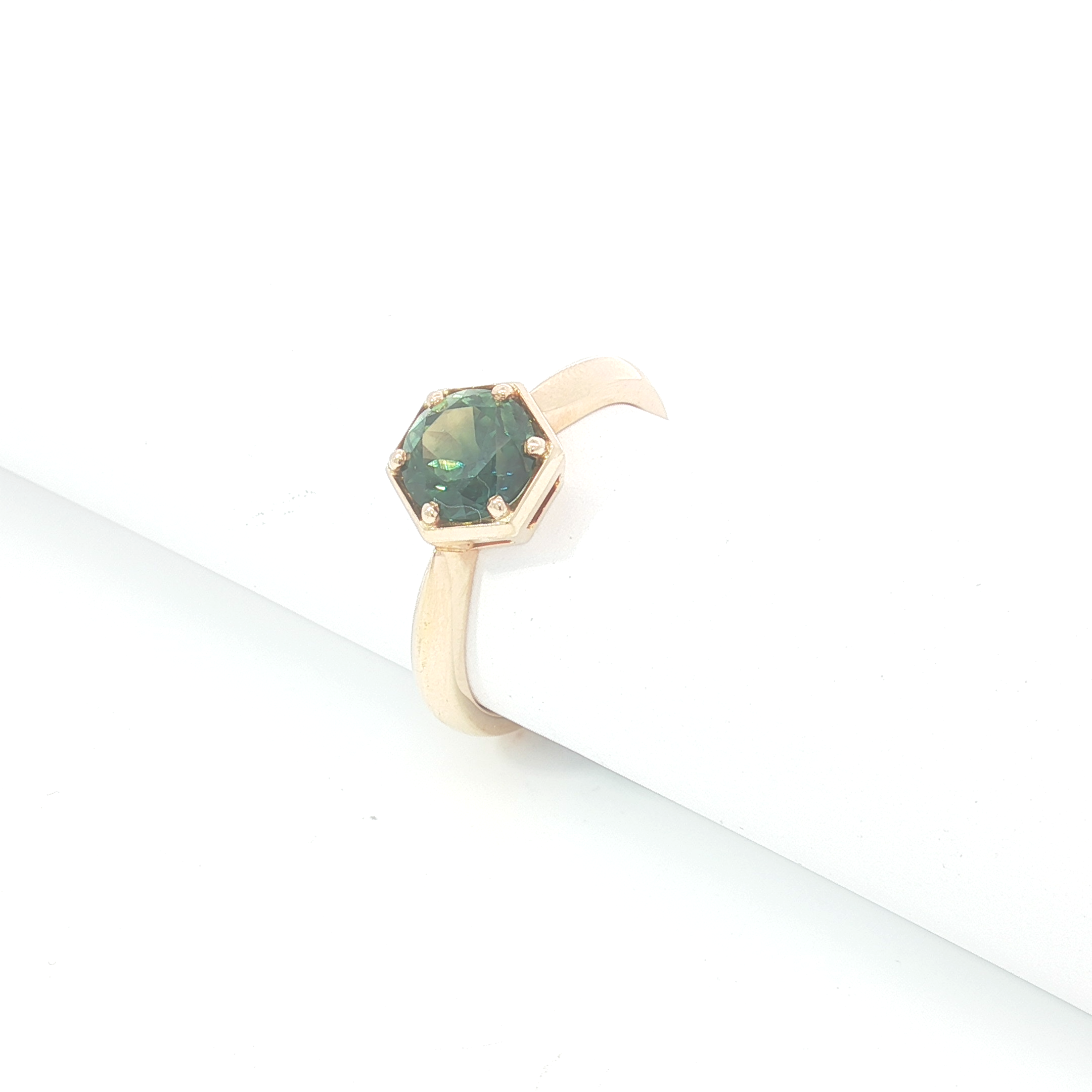
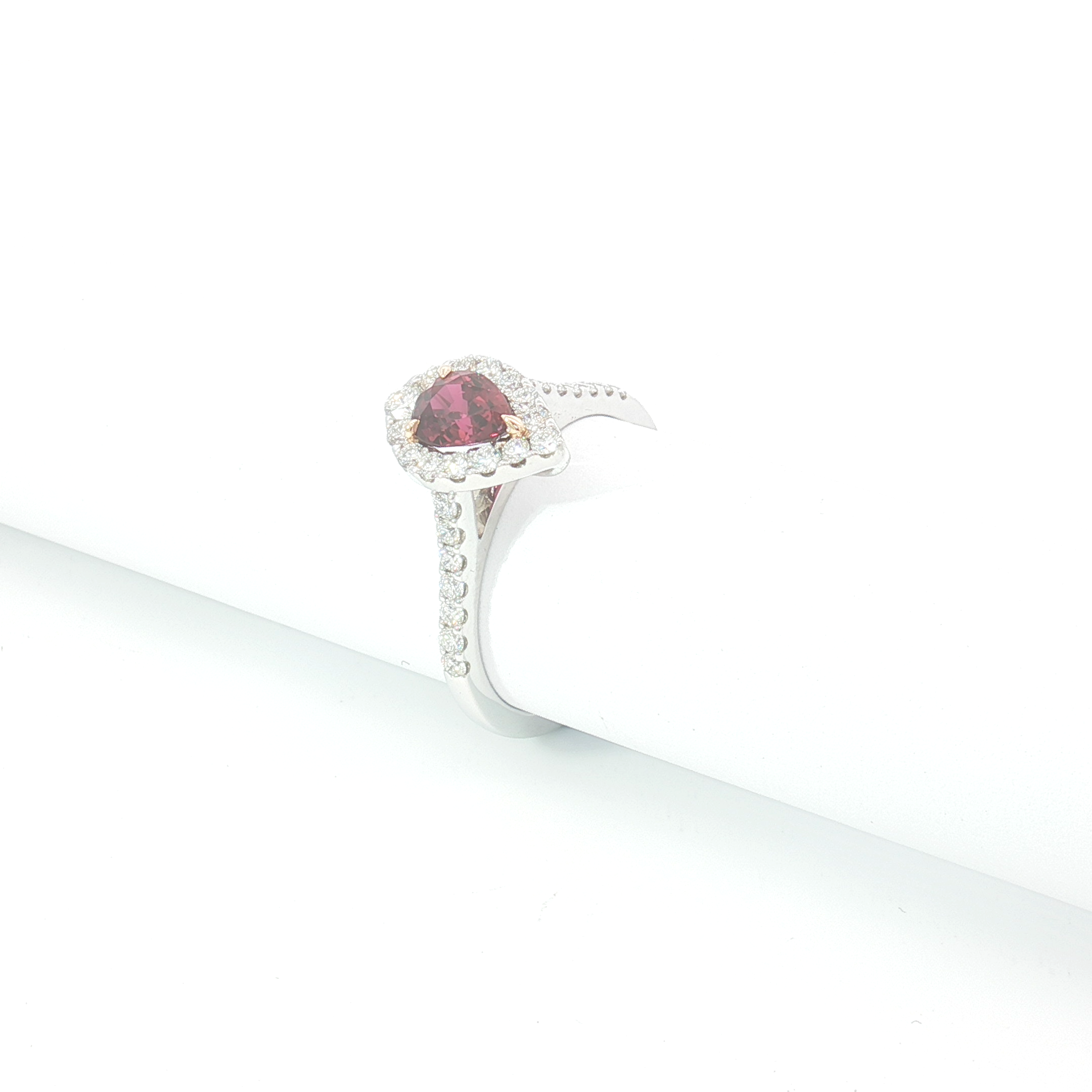
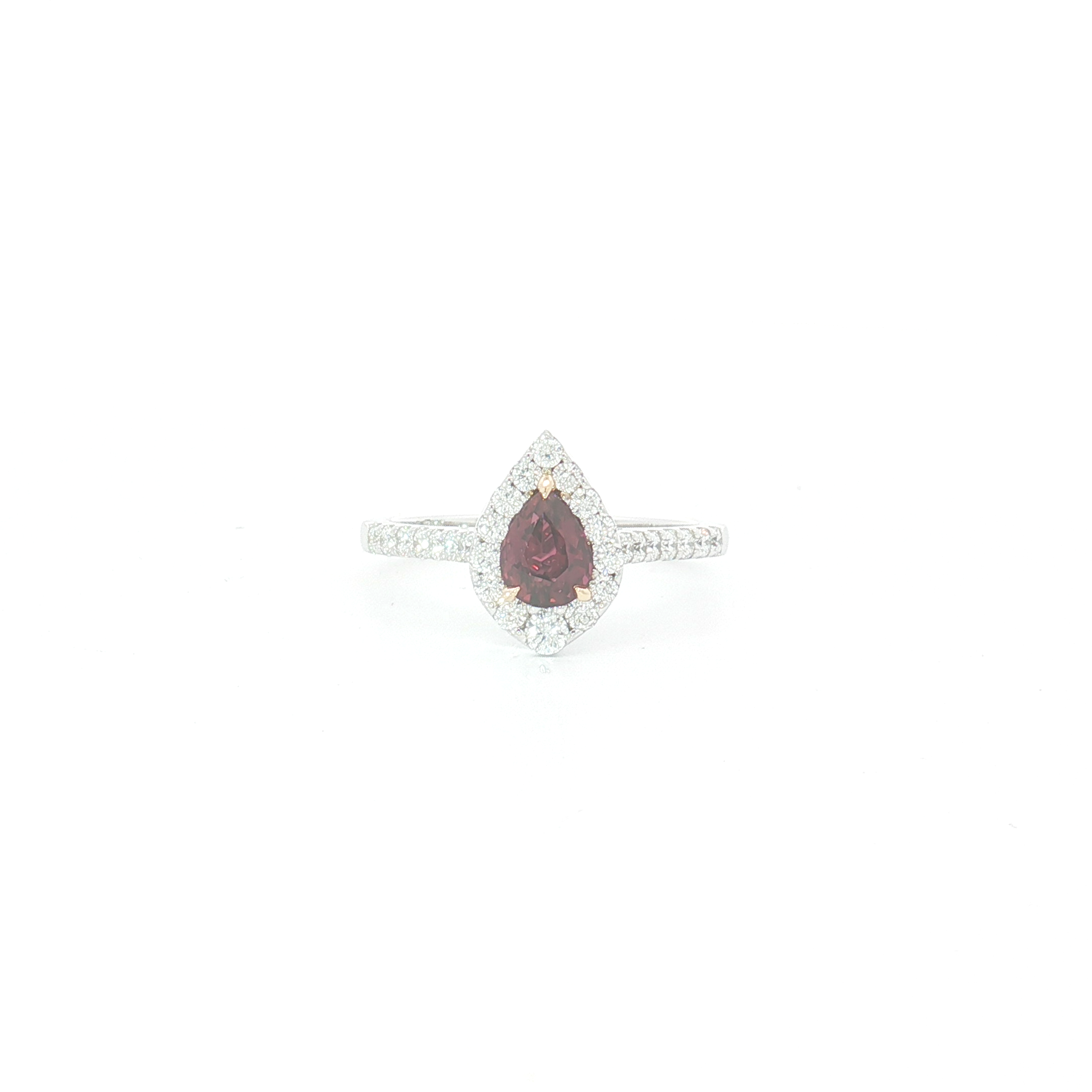
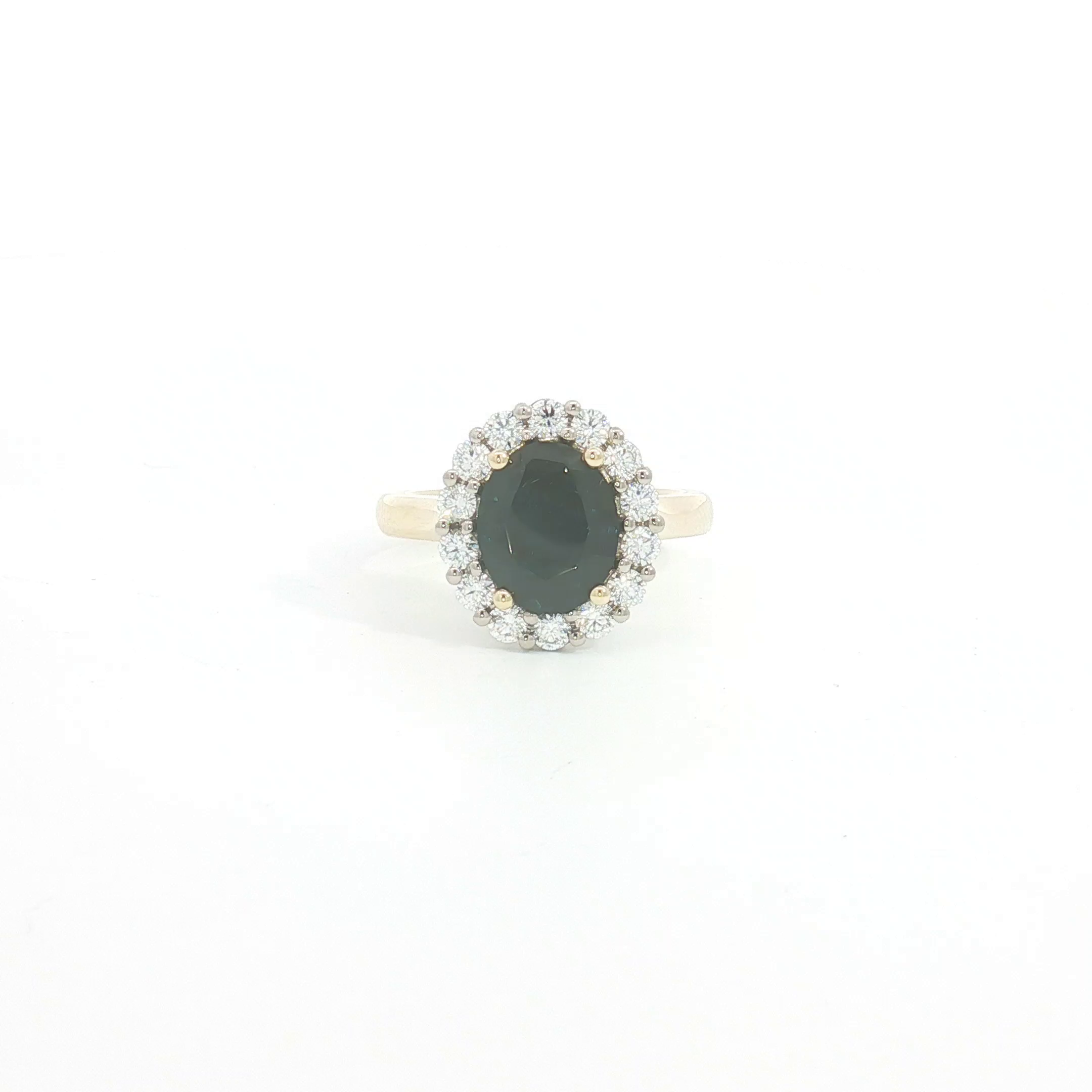
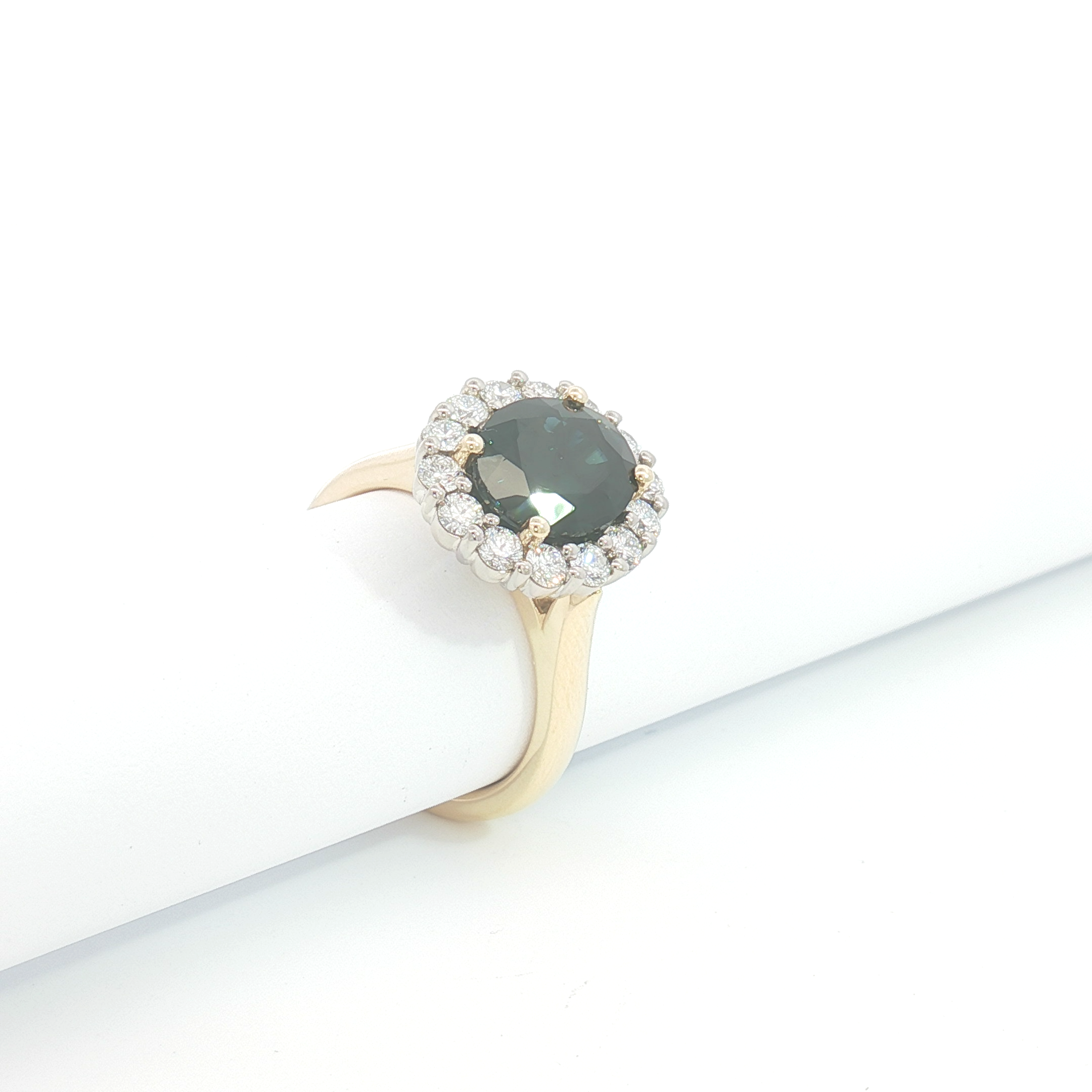
Step 1: Choose how you want to start
There are three popular ways to begin.
The surprise route. One partner comes in alone, designs the ring, and presents it as a surprise. We can guide you through stone choice, setting, metal and finger sizing without your partner ever knowing you've been in. Dan has done this hundreds of times. He's good at it.
The together route. Both of you come in, design the ring as a project, and the surprise becomes the actual proposal moment. Increasingly popular, especially among couples who want the ring to be exactly right.
The customise-existing route. You bring in a sentimental ring (a grandmother's diamond, a family heirloom) and we use the original stone or metal in a new design. This is one of the most meaningful ways to start an engagement ring.
There's no wrong answer. Decide which feels right and book your first appointment.
Step 2: Gather your inspiration
Before your appointment, spend a bit of time collecting images of rings you like. Pinterest boards, Instagram screenshots, photos of friends' rings, magazine clippings. Even a few photos make the consultation easier, because we can see what shapes, styles and details you respond to.
Don't worry about being too specific or contradicting yourself. A board of fifteen different rings tells us more than three identical ones, because the pattern across them is what shows us your taste.
Step 3: The consultation
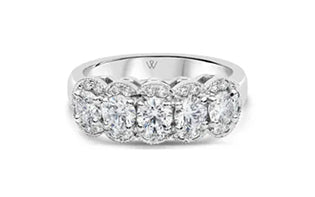
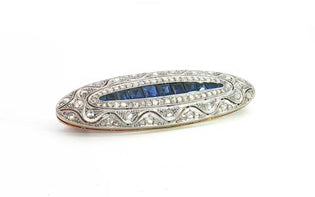
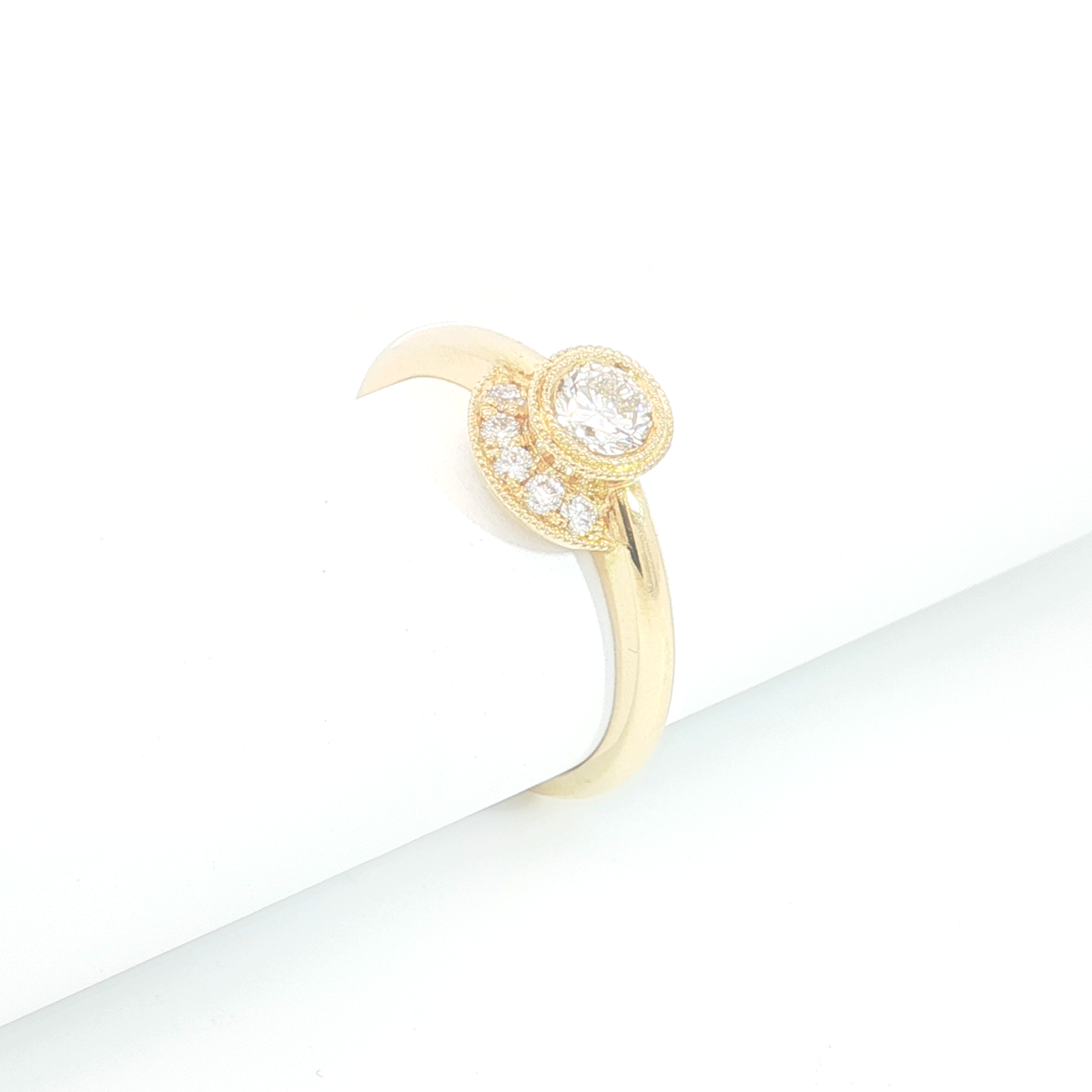
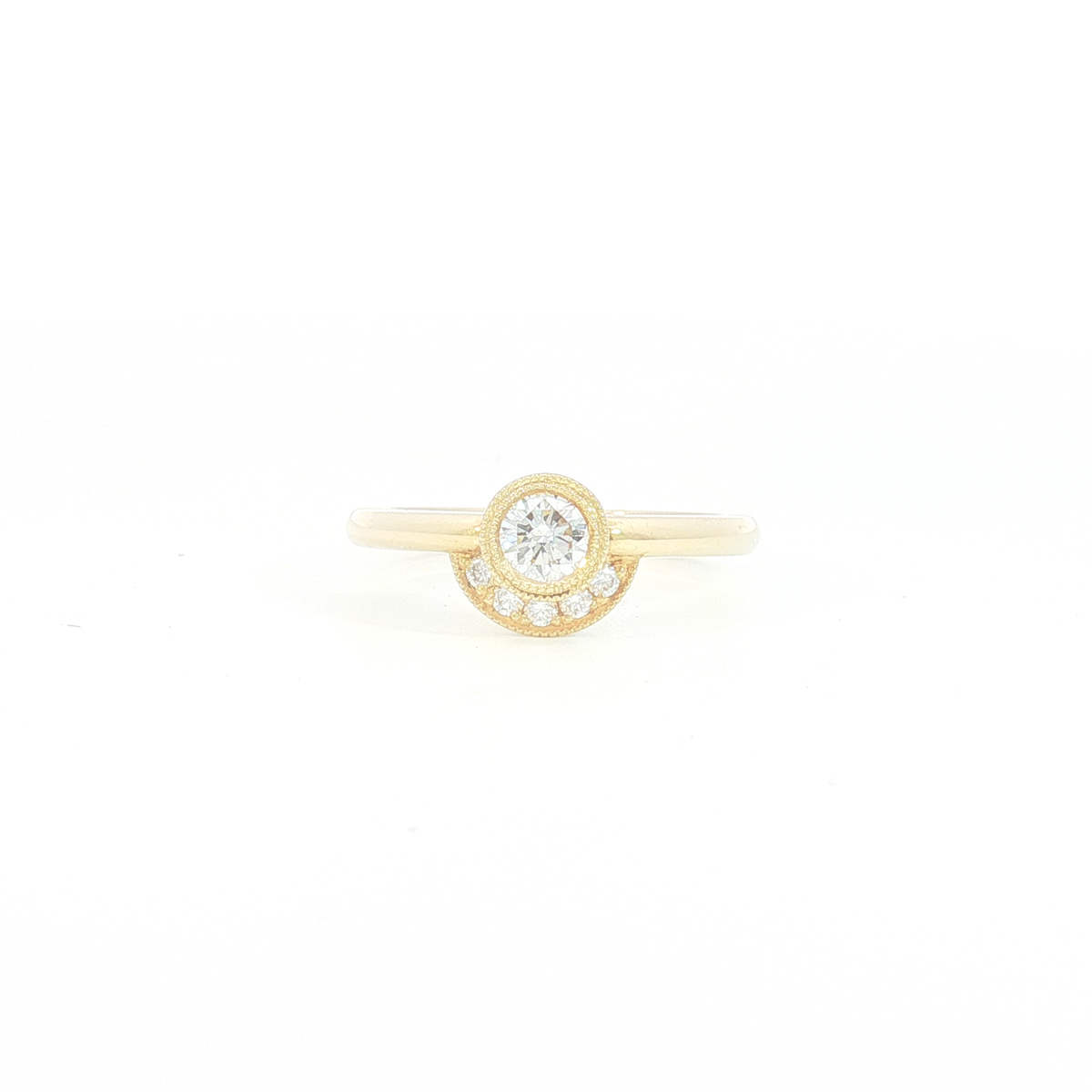
We'll go through your inspiration, talk about stone shapes (round, oval, pear, marquise, princess, emerald, cushion, Asscher, radiant), look at setting styles (solitaire, halo, trilogy, cluster, vintage, bezel, split shank), and discuss metals (18ct white, yellow or rose gold, or platinum).
We'll also have an honest conversation about the budget. Tell us what you're comfortable spending and we'll work within it. There's no minimum spend and no pressure to go higher.
If your partner is being surprised, this is also when we'll work out finger sizing without them noticing. There are several ways to do this and we'll talk through which one suits your situation.
Step 4: The scale drawing
After the consultation, our designer produces a hand-drawn scale drawing of the ring. Every dimension, every claw position, every stone is shown to scale.
You'll get the drawing to review at home, take to your partner if it's a joint project, or just sit with for a few days. Changes at this stage are easy. Once you're happy, you sign off and we move into stone sourcing and manufacturing.
Step 5: Stone selection
For the centre stone, our gemmologist sources options based on your brief. You'll view the stones in person at the workshop, under workshop lighting, alongside the design. We'll show you the options at different price points, walk through the grading on each, and explain what you're looking at.
If you'd like to discuss lab-grown diamonds alongside natural diamonds, we'll talk through both at this stage. Each has different considerations around value retention, sourcing and personal preference. There's no right answer, only the one that feels right for you.
If you're using your own stone (from a remodelled piece or family heirloom), this step is shorter.
Step 6: Manufacture
This is where the bench takes over. Depending on the design, your ring will spend somewhere between four and eight weeks in the workshop. Plain solitaires are quicker. Complex halos, trilogies, vintage-inspired and pavé pieces take longer.
Throughout manufacture, the jeweller working on your ring photographs progress so you can see updates if you'd like them. You're welcome to drop in at any point.
Step 7: Collection day
The most fun day of the process. We arrange a time that suits you, sometimes with your partner if it's a joint project, sometimes solo if it's a surprise. We open a bottle of bubbles. You see the finished ring for the first time. We photograph it for our records and yours.
Before you leave, our gemmologist completes the valuation certificate, which you'll need for insurance.
Step 8: After collection
Once the ring leaves the workshop, we want it to keep doing its job for the rest of your life. Two things help with that.
Insurance. As a Q Certified Jeweller, we can arrange Q Report Jewellery Insurance during your collection appointment. Worldwide cover, agreed value, annual revaluations.
Care. Bring the ring back any time for a complimentary clean and inspection. We'll check claws, polish away wear, and catch anything that needs attention before it becomes a problem. Most clients come in once or twice a year.
And, when you're ready, we'd love to make the wedding bands too.
Frequently Asked Questions
From sign-off on the design to collection, most custom engagement rings take four to eight weeks. Simpler designs are faster. More complex designs (vintage settings, hand-engraved details, intricate pavé) take longer. We'll give you a realistic timeline on your first appointment.
There's no rule, despite what the diamond industry will tell you. Custom engagement rings at Wishart typically start from around $3,500 and go up from there based on stone choice, metal and complexity. Tell us your budget and we'll design within it.
There are a few options. Borrow a ring they already wear on the same finger and bring it in. Use a piece of string and we'll measure it. Or ask a sibling, parent or close friend to help. We've got tactics for almost every situation, including some that are surprisingly simple.
Yes. We work with both natural and lab-grown diamonds, and we'll talk through the considerations of each during your stone selection appointment. It's a case-by-case conversation rather than a blanket recommendation.
Absolutely. Bringing an inherited or existing stone into a new design is some of our favourite work. Our gemmologist will assess the stone, advise on any recutting if needed, and design the setting around it.
We can discuss flexible payment arrangements during your consultation. Most custom commissions require a deposit on sign-off, with the balance due at collection.